Back to Blog
Guides & Tips

PolyTrack Stunt Track Mastery: Loops, Jumps & Air Control

Master the art of stunt tracks in PolyTrack. Learn how to conquer loops, nail perfect jumps, control your car mid-air, and execute barrel rolls like a pro.

PolyTrackCodes TeamDecember 30, 202520 min read
StuntsLoopsJumpsAir ControlTricksAdvanced

PolyTrack Stunt Track Mastery: Loops, Jumps & Air Control

Stunt tracks represent the most spectacular side of PolyTrack. Giant loops, massive jumps, barrel rolls, and corkscrews—these elements test your skills in ways that standard racing tracks simply cannot. This guide will transform you from a stunt novice into an aerial artist.

Whether you are struggling to complete your first loop or trying to perfect your speedrun on a complex stunt course, this comprehensive guide covers everything you need to know.


Part 1: Understanding Stunt Physics

#### The Aerial Difference

Stunt tracks play by different rules than racing tracks:

Ground vs. Air:
On the ground, you control direction through steering. In the air, you control rotation through pitch and roll inputs.

Speed vs. Precision:
Stunt tracks often require specific speeds—too fast or too slow and you fail.

Visual vs. Feel:
You must develop intuition for how your car will behave in three-dimensional space.

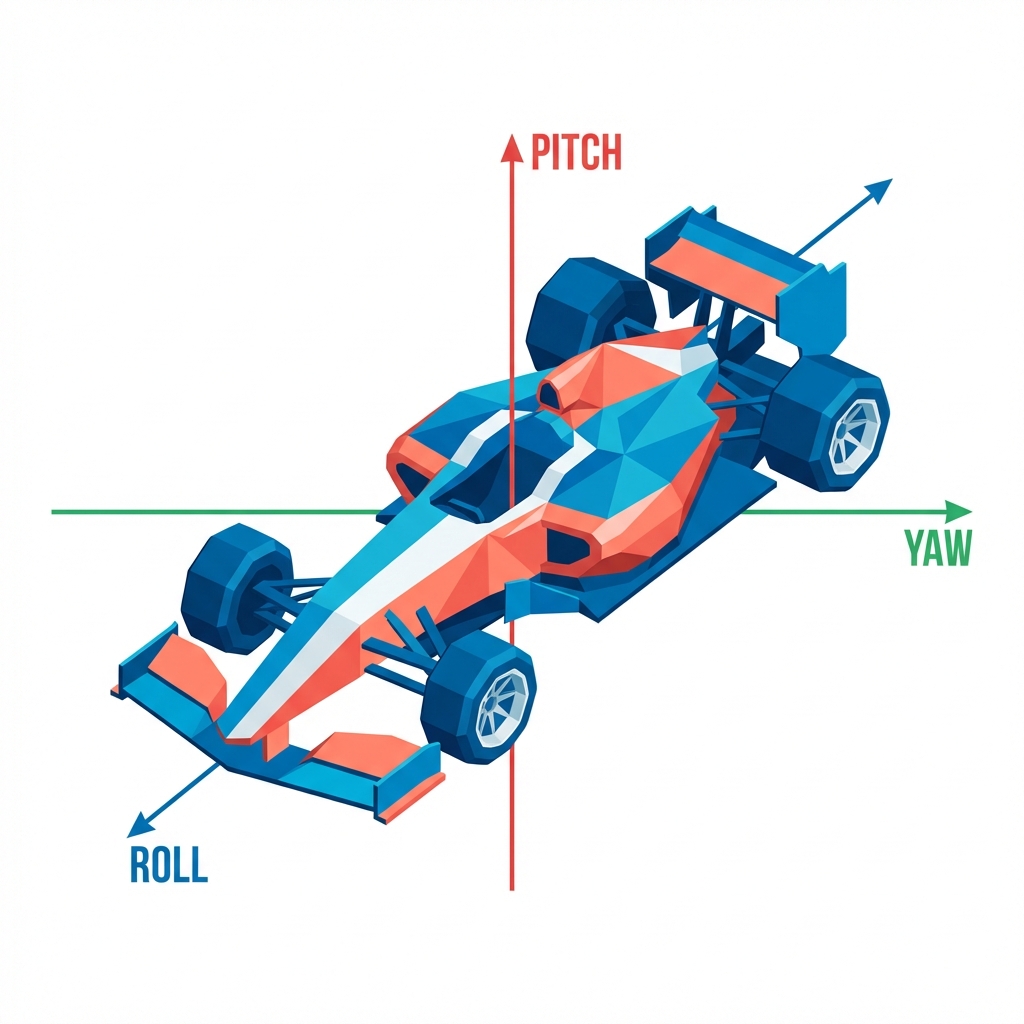
#### The Three Axes of Rotation

In the air, your car rotates on three axes:

Pitch (W/S Keys):
Nose up or down rotation.

  • S key: Raises nose (backflip rotation)

  • W key: Lowers nose (front flip rotation)
  • Roll (A/D Keys):
    Side-to-side rotation.

  • A key: Roll left (left barrel roll)

  • D key: Roll right (right barrel roll)
  • Yaw (Natural):
    Horizontal spin. In PolyTrack, yaw is minimal and mostly occurs from momentum or entry angle.


    Part 2: Loop Mastery

    #### How Loops Work

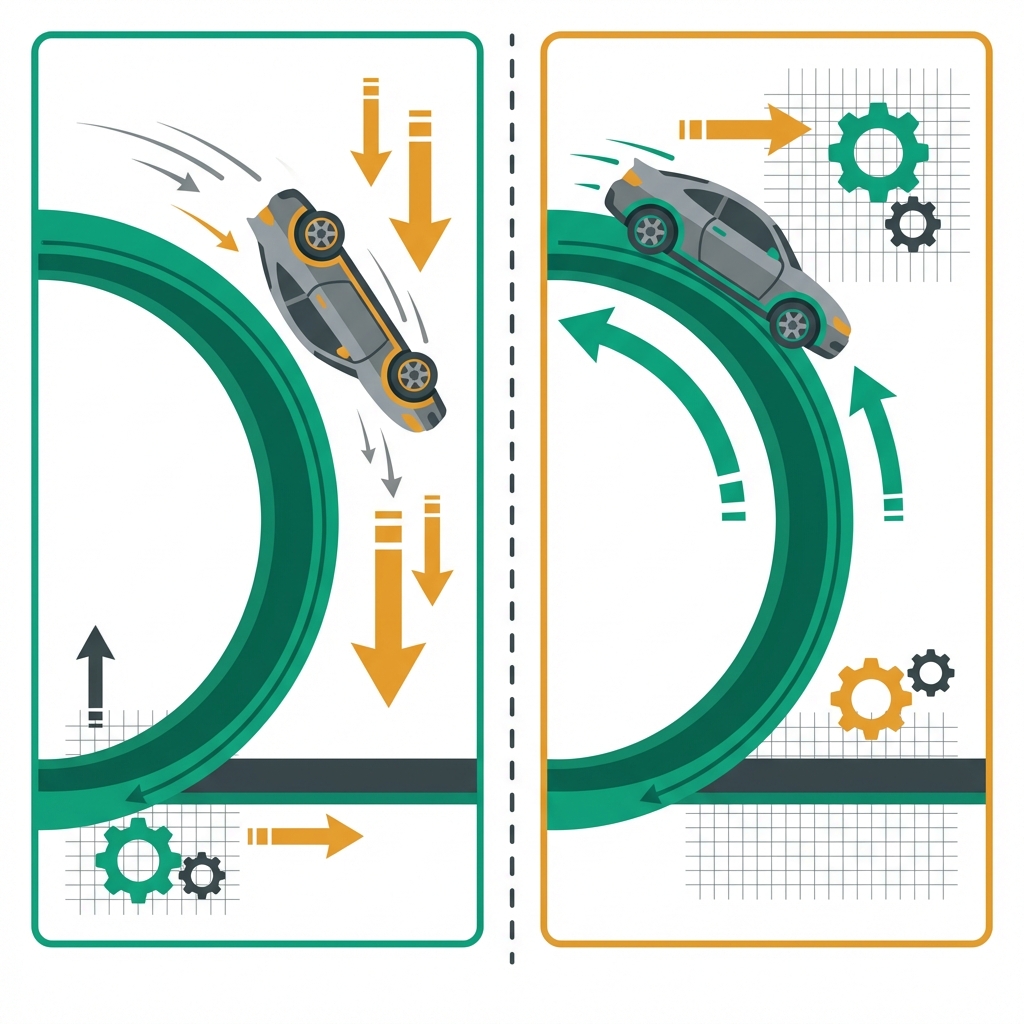
    Loops are circular track sections that require maintaining speed through 360 degrees of rotation.

    The Physics:
    Centripetal force keeps your car on the track. This force comes from your speed—go too slow and gravity wins.

    The Critical Point:
    The top of the loop is the danger zone. You have maximum gravitational pull downward and minimum centripetal force (furthest from center).

    #### Loop Entry Technique

    Speed Requirement:
    Every loop has a minimum entry speed. Too slow = fall off at the top.

    Finding the Speed:

  • Approach slowly first—see where you fail

  • Gradually increase speed

  • Find the minimum that works

  • Add a small safety margin
  • Entry Angle:
    Enter loops straight on. Any sideways entry creates complications.

    Throttle Management:

  • Full throttle through small loops

  • Larger loops may require speed management

  • Release throttle only if you will overshoot
  • #### Loop Exit Technique

    The Exit Problem:
    Coming out of a loop at high speed can cause loss of control.

    Solutions:

  • Anticipate the exit angle

  • Be ready to steer immediately

  • Some loops require braking on exit

  • Practice the specific loop until comfortable
  • #### Common Loop Mistakes

    Mistake 1: Not Enough Speed

  • You fall off at the top

  • Solution: Go faster
  • Mistake 2: Too Much Speed

  • You launch off the track

  • Solution: Control entry speed
  • Mistake 3: Crooked Entry

  • Car bounces off loop walls

  • Solution: Align carefully before entry

  • Part 3: Jump Fundamentals

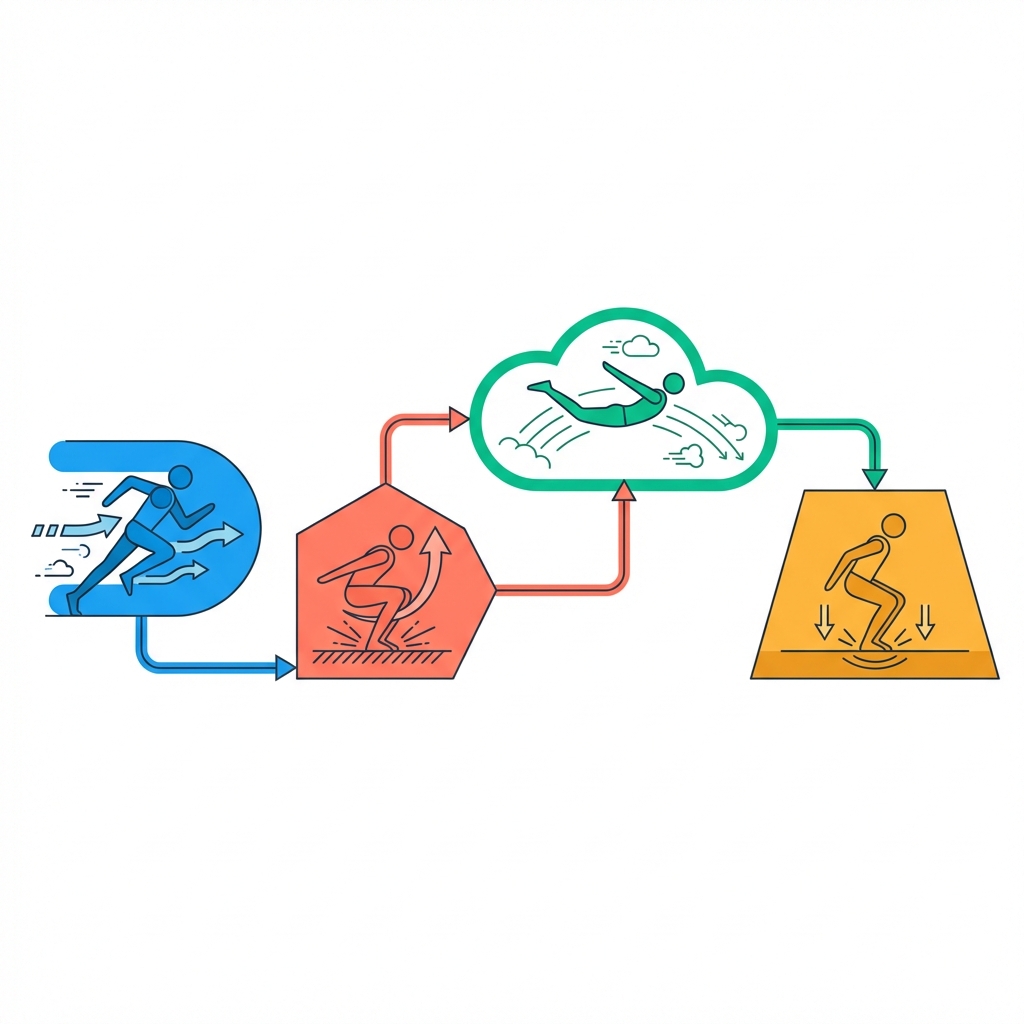
    #### The Anatomy of a Jump

    Every jump consists of four phases:

    1. Approach:
    The section before the ramp. Sets up your speed and alignment.

    2. Takeoff:
    The moment you leave the ramp. Determines trajectory.

    3. Flight:
    Time in the air. Where you control rotation.

    4. Landing:
    Touching down. Determines speed preservation.

    #### Approach Mastery

    Speed Control:

  • Know the required speed for each jump

  • Too fast = overshoot; too slow = undershoot

  • Adjust throttle before the ramp, not on it
  • Alignment:

  • Approach dead center when possible

  • Side approach = angled trajectory

  • Last-second corrections are risky
  • #### Takeoff Optimization

    The Launch Moment:
    What you do the instant you leave the ramp is critical.

    For Maximum Distance:

  • Full speed at exit

  • Do not touch controls immediately

  • Let the ramp angle do its work
  • For Controlled Flight:

  • Know your landing target

  • Begin rotation inputs early if needed

  • Pitch up for more height; pitch down for faster landing
  • #### Flight Control

    Rotation Inputs:
    Your main control in the air is rotation.

    Pitch Tips:

  • Small taps for minor adjustments

  • Hold for significant rotation

  • Practice timing on easy jumps first
  • Roll Tips:

  • Barrel rolls look cool but require space

  • Half rolls correct sideways landings

  • Full rotations require significant air time
  • Combined Inputs:
    Pressing multiple directions creates complex rotations. Master single-axis control first.

    #### Landing Mastery

    The Perfect Landing:

  • Car angle matches landing surface

  • All four wheels touch simultaneously

  • Maximum speed preserved
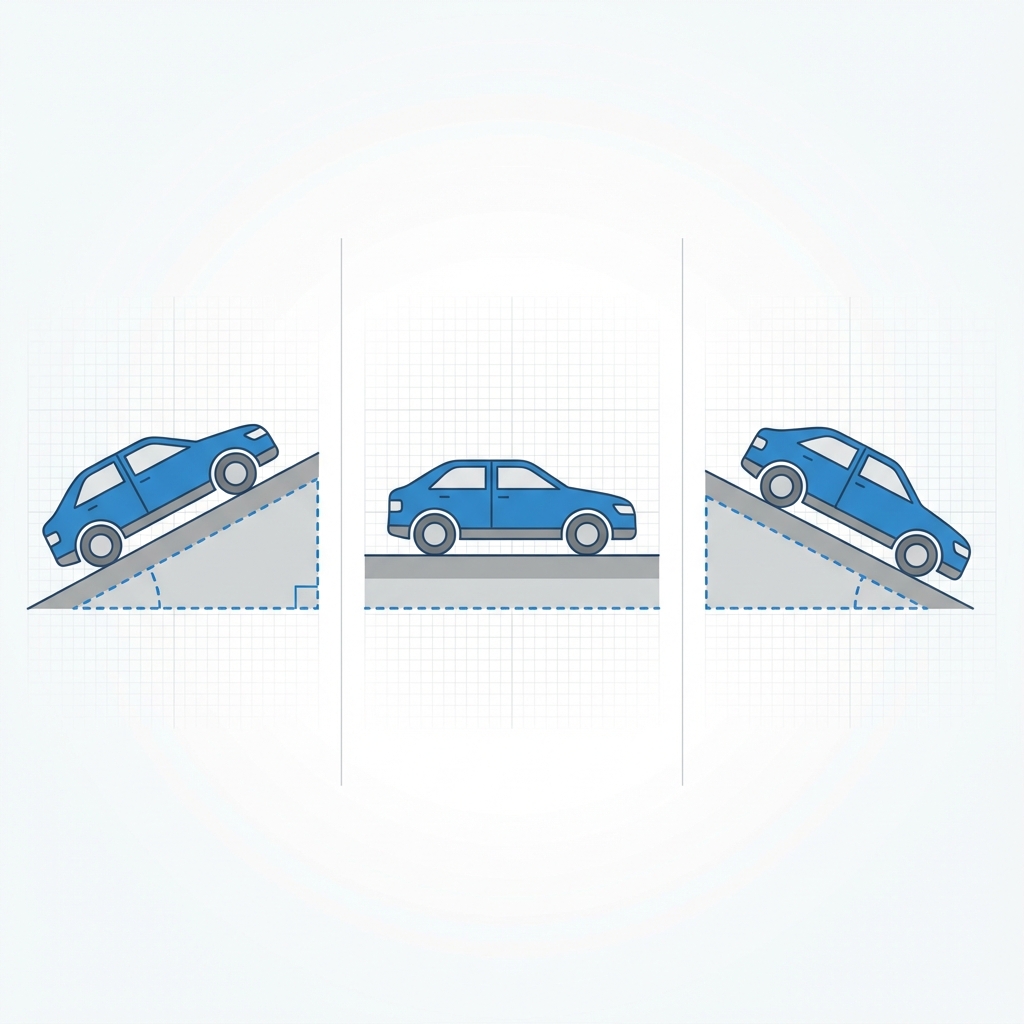
  • Angle Matching:

  • Upward ramp = nose up slightly

  • Downward ramp = nose down

  • Flat surface = level car
  • Speed Preservation:

  • Good landings keep 90%+ of speed

  • Bad landings can cut speed in half

  • The difference is significant over a track

  • Part 4: Barrel Rolls and Tricks

    #### The Basic Barrel Roll

    A complete 360-degree roll while airborne.

    Execution:

  • Get sufficient air time

  • Hold A or D

  • Complete full rotation

  • Level out before landing
  • Requirements:

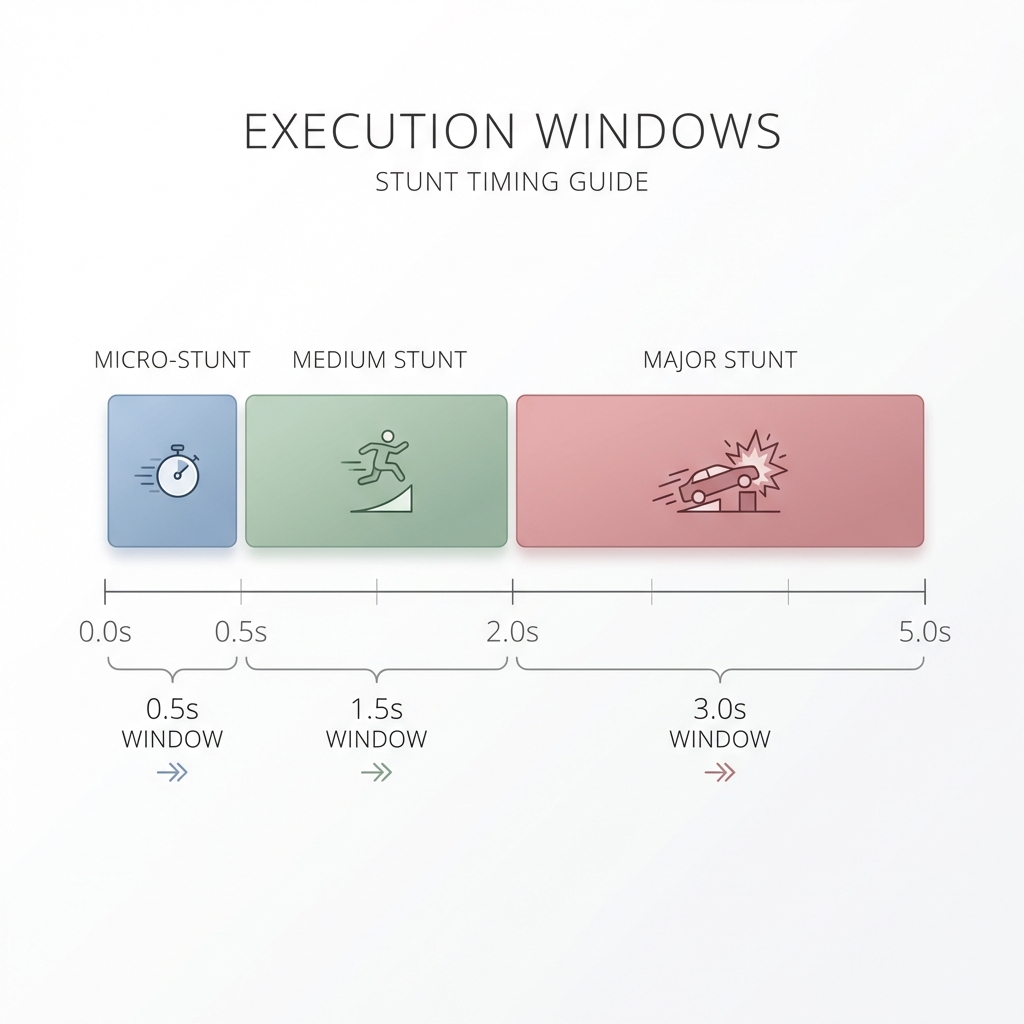
  • Minimum air time of 1.5 seconds

  • Enough horizontal space

  • Proper landing zone
  • #### The Double Roll

    Two complete rotations in one jump.

    Requirements:

  • Much more air time

  • Very high jump or low gravity section

  • Rapid rotation initiation
  • Tips:

  • Start rolling immediately after takeoff

  • Maintain continuous input

  • Begin leveleling early
  • #### Front and Back Flips

    Pitch-based rotations.

    Backflip (Nose Up):

  • Hold S key

  • Requires significant height

  • Looks spectacular
  • Front Flip (Nose Down):

  • Hold W key

  • Often unintentional (overcorrection)

  • Harder to control
  • Landing:
    Flips are harder to land than rolls because matching landing angle is more complex.

    #### Combo Tricks

    Corkscrew:
    Combined pitch and roll creates a spiral motion.

    How To:

  • Hold W + D or W + A

  • Rotate diagonally through the air

  • Difficult to control
  • When Used:

  • Tracks specifically designed for it

  • Style points in casual play

  • Part 5: Advanced Stunt Techniques

    #### Speed Management

    The Speed Sweet Spot:
    Most stunts have an optimal speed range:

  • Below range: Fail the stunt

  • Above range: Lose control

  • Sweet spot: Clean execution
  • Finding It:

  • Trial and error

  • Watch successful runs

  • Note speedometer at key points
  • #### Chaining Stunts

    Stunt Combos:
    Advanced tracks require chaining multiple stunts together.

    Key Skills:

  • Quick recovery between stunts

  • Immediate adjustment after landing

  • Maintaining momentum through sequences
  • Mental Approach:

  • Break track into segments

  • Master each segment separately

  • Chain together when consistent
  • #### Recovery Techniques

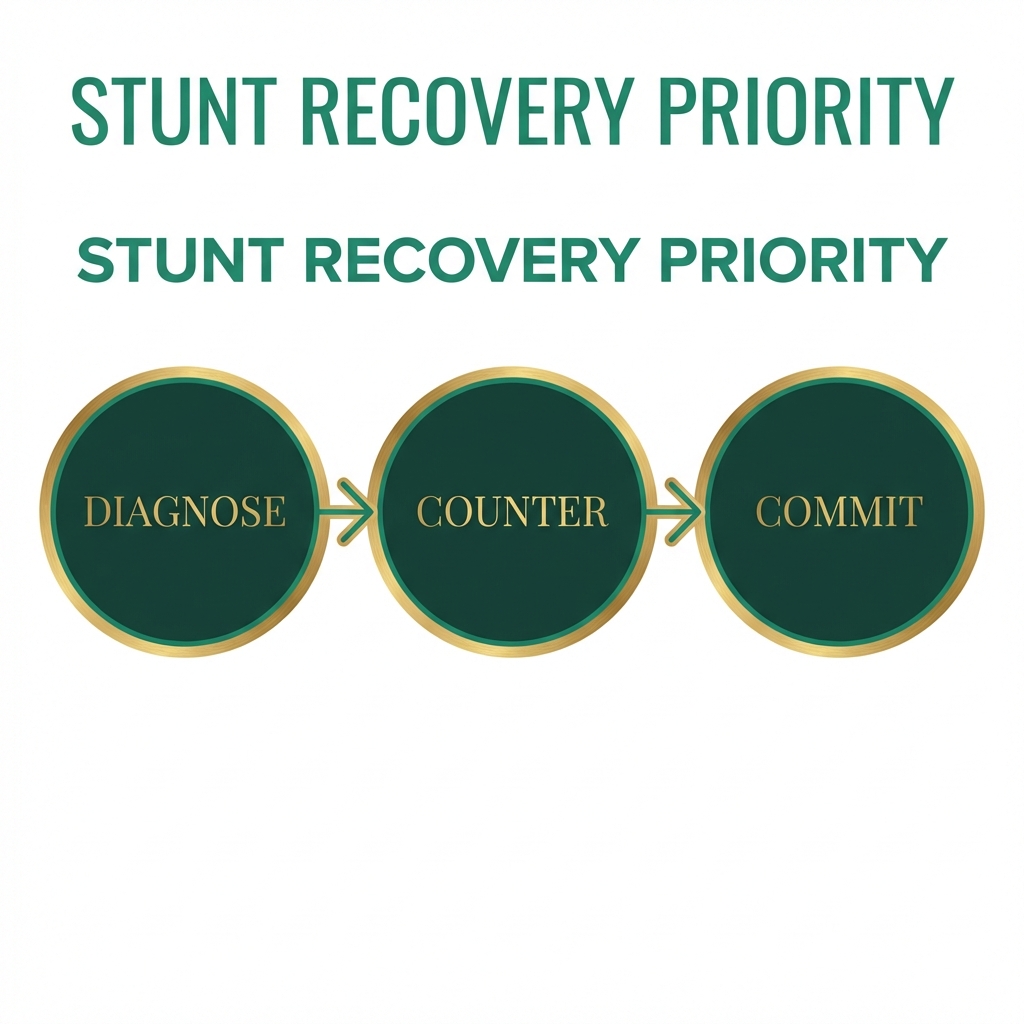
    When Things Go Wrong:

    Mid-Air Recovery:

  • Recognize bad rotation early

  • Counteract with opposite input

  • Sometimes you cannot save it—restart
  • Post-Landing Recovery:

  • Correct steering immediately

  • Accept minor control loss

  • Prioritize staying on track over speed

  • Part 6: Stunt Track Categories

    #### Speed Stunt Tracks

    Characteristics:

  • High velocity jumps

  • Minimal air control needed

  • Often about hitting perfect entry speed
  • Strategy:

  • Learn speed requirements exactly

  • Focus on consistent approach

  • Minimize air inputs
  • #### Technical Stunt Tracks

    Characteristics:

  • Precise jump distances

  • Multiple rotation requirements

  • Small landing zones
  • Strategy:

  • Practice each section heavily

  • Memorize angles and inputs

  • Patience over speed
  • #### Showcase Stunt Tracks

    Characteristics:

  • Designed for fun and spectacle

  • Forgiving landings

  • Encourages experimentation
  • Strategy:

  • Enjoy the experience

  • Try different approaches

  • Focus on style

  • Part 7: Common Stunt Track Challenges

    #### Challenge 1: The Big Gap

    A massive horizontal gap between platforms.

    Solution:

  • Maximum speed approach

  • Maintain level flight

  • Do not touch inputs mid-air

  • Trust the trajectory
  • #### Challenge 2: The Needle Landing

    A very small landing platform.

    Solution:

  • Precise speed control

  • Center alignment critical

  • Prepare for immediate steering on landing

  • Practice until consistent
  • #### Challenge 3: The Corkscrew Section

    A twisting tube that requires specific rotation.

    Solution:

  • Enter at correct angle

  • Follow the rotation naturally

  • Trust the track geometry

  • Do not over-correct
  • #### Challenge 4: The Vertical Loop into Jump

    Combining elements with no recovery time.

    Solution:

  • Optimal loop speed is jump speed

  • Smooth transition

  • Immediate readiness

  • Practice the combo specifically

  • Part 8: Mental Approach to Stunts

    #### Developing Air Sense

    "Air sense" is intuitive understanding of aerial behavior.

    How to Develop:

  • Practice on simple jumps

  • Vary your inputs intentionally

  • Observe results closely

  • Build mental models
  • #### Visualization

    Before attempting difficult stunts:

  • Close your eyes

  • Visualize the stunt

  • "Feel" the inputs

  • See the successful outcome
  • #### Handling Frustration

    Stunt tracks can be extremely challenging.

    Coping Strategies:

  • Take breaks during frustration

  • Return with fresh perspective

  • Celebrate small progress

  • Accept that some stunts take many attempts

  • Part 9: Practice Drills

    #### Drill 1: Jump Distance Control

    Setup: Find a jump with adjustable approach

    Goal: Land on specific targets at varying distances

    Practice:

  • Target 1: Short approach, minimal speed

  • Target 2: Medium approach

  • Target 3: Full speed
  • #### Drill 2: Rotation Control

    Setup: A high jump with open landing area

    Goal: Complete specific rotations

    Practice:

  • Single barrel roll

  • Single front flip

  • Single back flip

  • Half rotations for precision
  • #### Drill 3: Quick Recovery

    Setup: A track with back-to-back stunts

    Goal: Minimize time between stunt segments

    Focus:

  • Immediate steering after landing

  • No pause between elements

  • Smooth transitions

  • Part 10: Stunt Track Recommendations

    #### Beginner Stunt Tracks

    Perfect for learning:

  • Community Track #71 — Simple jumps

  • Community Track #142 — Introduction to loops

  • Community Track #150 — Forgiving stunts
  • #### Intermediate Stunt Tracks

    Building skills:

  • Community Track #30 — Mixed elements

  • Community Track #45 — Combo challenges

  • Community Track #60 — Technical jumps
  • #### Advanced Stunt Tracks

    Testing mastery:

  • Community Track #134 — Aerial focus

  • Community Track #141 — Precision required

  • Community Track #164 — Elite stunts

  • Conclusion

    Stunt track mastery is a rewarding journey that combines technical skill, spatial awareness, and creative expression. The techniques in this guide provide the foundation—but true mastery comes through practice.

    Your Stunt Journey:

  • Week 1-2: Loop and basic jump mastery

  • Week 3-4: Rotation control

  • Month 2: Chaining and combos

  • Month 3+: Advanced techniques
  • Remember:

  • Every failure teaches something

  • Stunts require patience

  • The view from the air is worth it
  • Now get out there and fly! 🚗✈️

    Share this article

    Related Articles

    More Articles

    Want to explore more tracks?

    Browse our community library and discover your next challenge!

    Browse Tracks